Integrative Psychoneuroimmunology: An In-Depth Guide to Whole-Person Wellness


In recent years, the concept of whole-person wellness has gained significant traction. One of the most comprehensive approaches to this is Integrative Psychoneuroimmunology (IPNI), a field that examines the intricate connections between the mind, nervous system, and immune responses. This holistic approach acknowledges that our mental and physical health are deeply interconnected.
At its core, IPNI seeks to understand how psychological processes can influence bodily functions and vice versa. By recognizing these connections, practitioners can develop more effective treatments and wellness strategies that address the entire person, not just isolated symptoms.
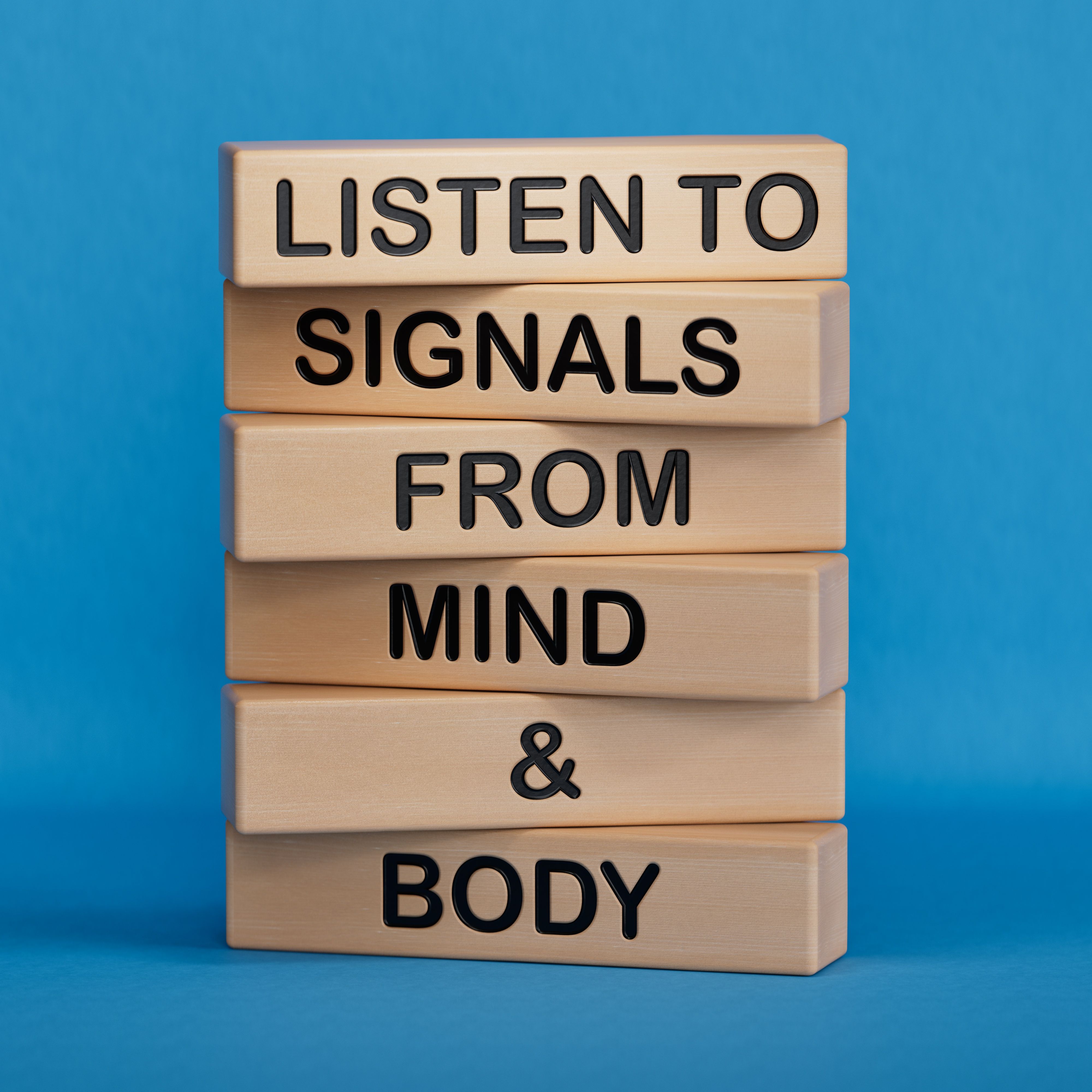
The Foundations of Integrative Psychoneuroimmunology
Integrative Psychoneuroimmunology is grounded in the belief that our mental and emotional states significantly impact our physical health. For instance, stress can weaken the immune system, making the body more susceptible to illness. Conversely, a robust immune system can support mental health by reducing stress and anxiety levels.
Researchers in this field study the biochemical pathways between the brain and the immune system, revealing how emotions like stress, happiness, and anger can directly affect immune responses. This understanding is crucial in developing therapies that promote overall wellness.
The Role of Stress
Stress is one of the most studied factors in IPNI. Chronic stress can lead to a dysregulated immune system, increasing the risk of various health issues, including cardiovascular diseases and infections. By incorporating stress management techniques, such as mindfulness and meditation, individuals can enhance their immune function and improve mental health.

Therapeutic Approaches in IPNI
Integrative Psychoneuroimmunology employs a variety of therapeutic approaches to promote health and wellness. These include:
- Meditation and Mindfulness: Practices that focus on calming the mind can reduce stress hormones and boost immune function.
- Nutritional Interventions: A balanced diet supports both mental and physical health, providing the necessary nutrients for optimal immune function.
- Exercise: Regular physical activity can enhance mood and strengthen the immune system.
These approaches emphasize the importance of a balanced lifestyle in maintaining health and preventing disease.

Personalized Wellness Plans
One of the significant benefits of IPNI is its focus on personalized wellness plans. By considering an individual's unique psychological, neurological, and immunological profile, practitioners can tailor interventions to meet specific needs. This personalized approach helps in achieving more effective outcomes in both mental and physical health.
Through regular assessments and adjustments, these plans ensure that individuals receive the most appropriate care, fostering long-term wellness and resilience.
The Future of Whole-Person Wellness
As research in Integrative Psychoneuroimmunology continues to evolve, the potential for new therapies and interventions grows. This field is paving the way for a more holistic understanding of health, where the interplay between mind, body, and environment is fully recognized and utilized.
By embracing this comprehensive approach to wellness, individuals can achieve better health outcomes and improve their quality of life. As awareness of IPNI spreads, it holds promise for transforming healthcare into a more integrative and effective system.